
Ways To Get the Nutrients You Need When Eating Dairy-Free
Adopting a dairy-free diet might feel overwhelming, especially when it comes to ensuring you’re meeting your nutritional needs. Without careful planning, it can be easy to miss out on essential nutrients like calcium, vitamin D, and protein.
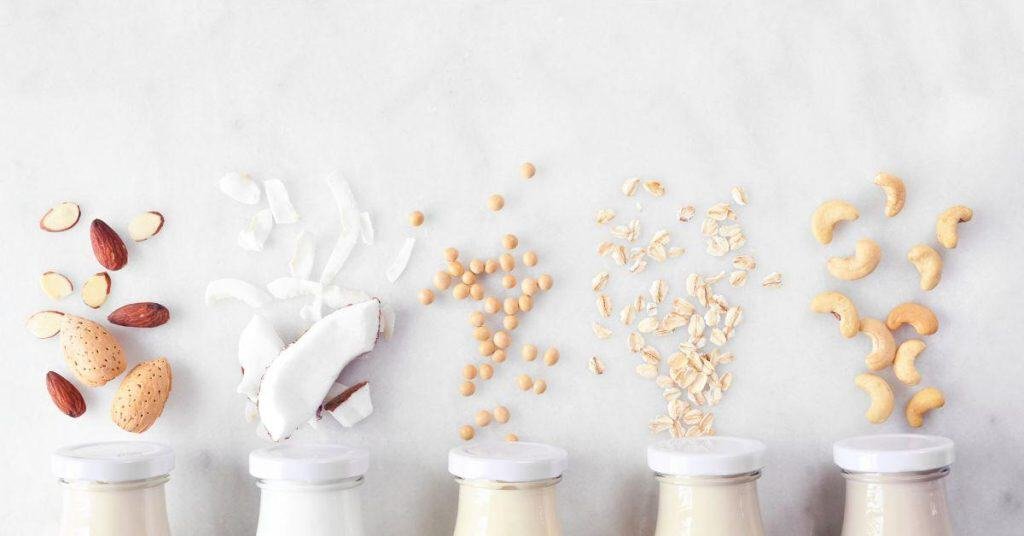
Luckily, there are plenty of ways to maintain a balanced, nutrient-rich diet without relying on dairy products. Here’s what I’ve learned from my experience transitioning to a dairy-free lifestyle.
Start With Plant-Based Calcium Sources
When I eliminated dairy, my biggest concern was calcium. After all, it’s essential for bone health and plays a role in many functions of the body. Thankfully, there are plenty of plant-based, calcium-rich foods that can fill the gap.
Leafy greens like kale, collard greens, and broccoli are excellent options. Fortified almond milk and orange juice are also great beverages to get my nutrients in the morning. These alternatives made me realize that a dairy-free diet doesn’t have to skimp on calcium.
Pair Foods To Boost Vitamin D
Getting enough vitamin D can also be a challenge without dairy. I found that pairing foods high in vitamin D, like fatty fish and fortified plant-based milks, with healthy fats can boost absorption. For added support, spending time outdoors in sunlight is a tried-and-true way to maintain healthy vitamin D levels.
Explore Protein-Packed Options
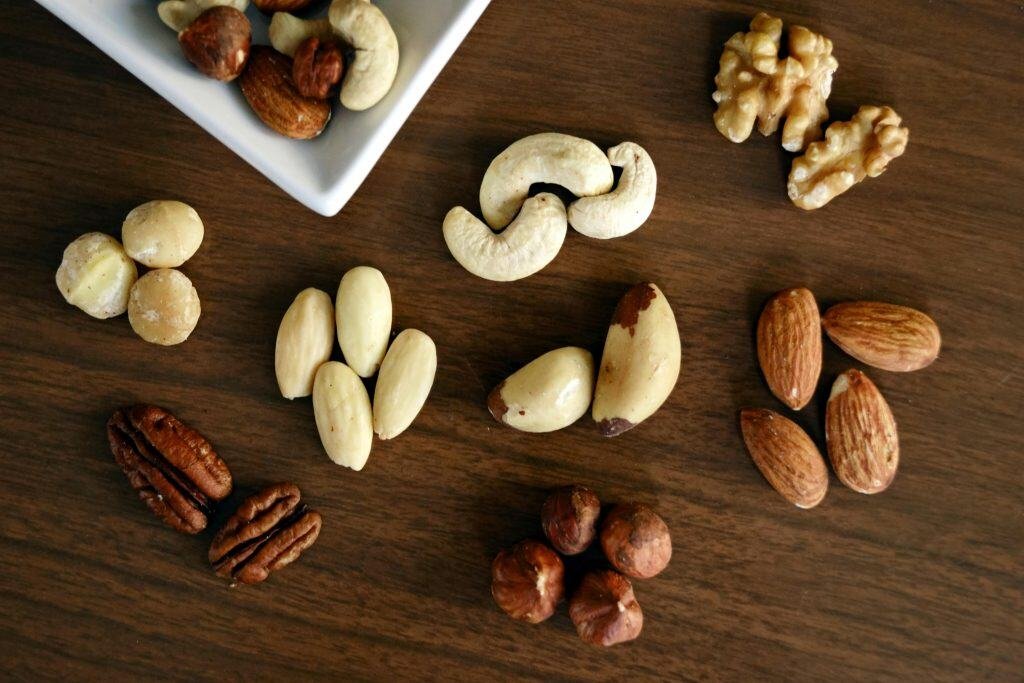
When I started transitioning to a dairy-free diet, I worried about losing dairy as a source of protein. It didn’t take me long to discover how many alternatives exist—lentils, chickpeas, tofu, and edamame quickly became staples in my kitchen. Additionally, I found that snacking on nuts can be flavourful and satisfying while offering plenty of protein to keep me energized throughout the day.
Stay Balanced With Whole, Nutrient-Dense Foods
One of the most valuable lessons I learned was to prioritize variety in my meals. It’s all too easy to lean on processed dairy-free alternatives, but these products often lack the nutrients naturally found in whole foods. By focusing on colorful vegetables, whole grains, nuts, seeds, and legumes, I’ve been able to create meals that are both nourishing and delicious.
Living dairy-free is not without its challenges, but you can thrive with careful meal planning and a conscious eye on nutrition. By incorporating plant-based calcium sources, keeping vitamin D levels in check, and exploring protein-rich foods, you can meet your nutritional needs without dairy.
If you’re navigating a dairy-free lifestyle like I am, you can get your nutritional needs while making intentional, smart dietary choices.